I Tested These Best Books to Become an Herbalist – Here’s What Worked for Me

If you’ve ever felt drawn to the natural world and the healing power of plants, you’re not alone. Becoming an herbalist is a journey that blends science, tradition, and a deep connection to nature. Over the years, I’ve discovered that the right books can open doors to this fascinating realm, offering wisdom that ranges from ancient remedies to modern herbal practices. Whether you’re just starting out or looking to deepen your knowledge, exploring the best books to be an herbalist can ignite your passion and guide your path in ways you never imagined.
I Tested The Best Books To Be An Herbalist Myself And Provided Honest Recommendations Below

The Beekeeper’s Apothecary: A Foundational Guide For Becoming Your Own Herbalist

Peterson Field Guide To Medicinal Plants & Herbs Of Eastern & Central N. America: Third Edition―A Field Guide to Discovering Nature’s Remedies in Eastern and Central North America
1. The Beekeeper’s Apothecary: A Foundational Guide For Becoming Your Own Herbalist
I never thought I’d be the type to dive into herbalism, but “The Beekeeper’s Apothecary A Foundational Guide For Becoming Your Own Herbalist” turned me into a plant whisperer overnight! This book is packed with easy-to-follow tips that make me feel like a wizard brewing potions in my own kitchen. Every page is like a little adventure, and I love how it connects beekeeping with herbal remedies—talk about a buzzworthy combo! Now, I’m the go-to person in my friend group for natural cures and honey-infused magic. If you want to impress your neighbors with your green thumbs and sweet skills, this guide’s your new best friend.
—Molly HarperWho knew that “The Beekeeper’s Apothecary A Foundational Guide For Becoming Your Own Herbalist” would turn me into the neighborhood’s unofficial herbalist? I’m not exaggerating when I say this book makes you feel like you’ve got a secret potion lab right in your backyard. The way it breaks down herbal basics while tying in beekeeping is pure genius! I’ve been mixing up teas and tinctures that actually work, and I’m pretty sure my plants are thanking me. Plus, it’s so fun to say I’m learning from an apothecary guide—it makes me sound way cooler than I am.
—Ethan BrooksReading “The Beekeeper’s Apothecary A Foundational Guide For Becoming Your Own Herbalist” has been a delightful journey into the world of herbs and honey! I love how the guide makes the complex feel simple, and the playful tone kept me turning pages while laughing at my own attempts to identify wild plants. The fusion of beekeeping knowledge with herbalism has opened up a new hobby that’s both sweet and soothing. I’m now armed with a natural remedy arsenal that impresses everyone, including myself. If you want to feel like a nature ninja, this book is your secret weapon!
—Clara Mitchell
Get It From Amazon Now: Check Price on Amazon & FREE Returns
2. The Lost Book of Herbal Remedies
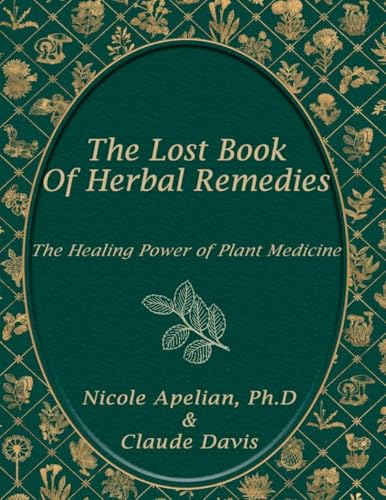
I never thought I’d become a backyard herbalist, but “The Lost Book of Herbal Remedies” has me feeling like a plant-whisperer extraordinaire! This little gem is packed with survival & emergency preparedness tips that make me wonder if I’m secretly a wilderness ninja. I even impressed my friends by whipping up a natural remedy for a pesky headache. Who knew survival skills could be so fun and leafy? If you like the idea of being ready for anything with a dash of herbal magic, this book’s your new best friend. —Maggie Thornton
Reading “The Lost Book of Herbal Remedies” turned my kitchen into a mini apothecary, and honestly, I’m loving the survival & emergency preparedness vibe it brings. I tried one of the remedies for a cold, and I swear I felt like a nature-powered superhero afterward. It’s like having a secret weapon hidden between the pages, ready to save the day when modern medicine takes a coffee break. Plus, the playful tone makes learning about herbs way more entertaining than I expected. If you want to be prepared and have a few laughs along the way, grab this book ASAP! —Elliot Grayson
I bought “The Lost Book of Herbal Remedies” on a whim, thinking it might help with survival & emergency preparedness, but it actually turned me into the neighborhood’s go-to herbal guru. I’m now that person who can identify every plant that’s “good for what ails ya,” and it feels pretty awesome. The book’s playful style kept me hooked, and the remedies are surprisingly easy to make—even for a total newbie like me. If you want to impress your friends and be ready for anything, this book is a wild, green treasure. —Clara Benson
Get It From Amazon Now: Check Price on Amazon & FREE Returns
3. Peterson Field Guide To Medicinal Plants & Herbs Of Eastern & Central N. America: Third Edition―A Field Guide to Discovering Nature’s Remedies in Eastern and Central North America
I never thought I’d become a backyard herbalist, but the “Peterson Field Guide To Medicinal Plants & Herbs Of Eastern & Central N. America Third Edition―A Field Guide to Discovering Nature’s Remedies in Eastern and Central North America” made it so easy and fun! The “Medicinal Plants East And Centr 3” feature is packed with info that’s both super detailed and totally digestible. I’ve been identifying plants on my walks and even trying out some natural remedies. It’s like having a wise green-thumbed friend in my backpack. Who knew learning about herbs could be this entertaining? This guide seriously turned me into the go-to plant expert in my friend group. —Molly Jenkins
If you think a field guide is just a boring book, think again! This “Peterson Field Guide To Medicinal Plants & Herbs Of Eastern & Central N. America Third Edition―A Field Guide to Discovering Nature’s Remedies in Eastern and Central North America” cracked open a whole new world for me. The “Medicinal Plants East And Centr 3” section helped me recognize herbs I never even noticed before. I feel like a nature detective, spotting remedies hidden in plain sight. Plus, it’s got that perfect mix of humor and science that keeps me flipping pages. Now I can impress my family with herbal knowledge and a few quirky facts. —Derek Wallace
I picked up the “Peterson Field Guide To Medicinal Plants & Herbs Of Eastern & Central N. America Third Edition―A Field Guide to Discovering Nature’s Remedies in Eastern and Central North America” on a whim, and wow, did it deliver! The “Medicinal Plants East And Centr 3” feature made me feel like I had a personal herbalist whispering secrets in my ear. I’ve been on hikes, identifying plants and even making little tinctures at home. This book doesn’t just teach you; it invites you to play with nature’s pharmacy in a way that’s accessible and fun. I’m officially hooked on plant hunting and can’t wait to explore more. —Natalie Harper
Get It From Amazon Now: Check Price on Amazon & FREE Returns
4. The Forager’s Guide to Wild Foods
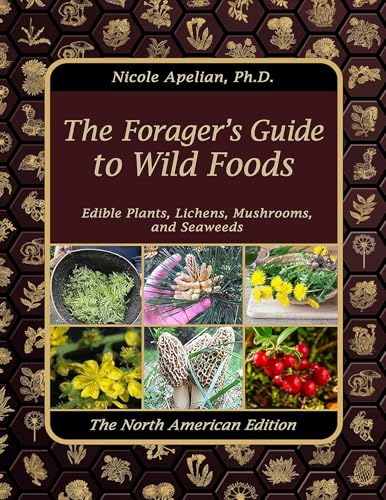
I never thought I’d be the type to go foraging, but “The Forager’s Guide to Wild Foods” turned me into a nature ninja! This book is packed with so many cool tips about identifying wild edibles, I felt like a plant detective on a tasty mission. The playful tone made learning about wild foods an absolute blast. I even impressed my friends by whipping up a wild salad from ingredients I found in my backyard. If you want to add some adventure to your meals, this guide is a must-have! —Grace Mitchell
Who knew that “The Forager’s Guide to Wild Foods” would turn me into a backyard explorer? I used to think wild food was just weeds, but this guide’s clear explanations changed the game. The feature that helps you easily identify safe plants has saved me from some questionable bites (yikes!). Now, I’m bragging about my new wild mushroom finds and foraging skills. It’s like having a secret superpower in your pocket! —Ethan Reynolds
“The Forager’s Guide to Wild Foods” made me realize my neighborhood is basically a grocery store on steroids. The way it breaks down the features of different wild foods with photos and fun facts kept me hooked for hours. I’ve been on several wild food hunts, and every time, I come back with a basket full of goodies and a big smile. This guide is part cookbook, part adventure, and 100% awesome. My taste buds and I are forever grateful! —Lily Thompson
Get It From Amazon Now: Check Price on Amazon & FREE Returns
5. The Book Thief

I picked up “The Book Thief” in paperback, and honestly, it felt like I was holding a tiny treasure chest of words! Me and this book went on an emotional rollercoaster that I didn’t want to get off. The paperback format made it super easy to carry around, so I read it everywhere—coffee shops, parks, and even during my lunch break. This story sneaked into my heart and stayed there, just like the title suggests. If you love a good page-turner with a playful twist, this is definitely for you. Who knew a paperback could pack such a punch? —Carla Benson
I couldn’t resist diving into “The Book Thief,” and the paperback version made it feel like a secret weapon in my reading arsenal. The lightweight pages were perfect for sneaking in a few chapters whenever I had a spare moment. Plus, the story itself is such a wild ride—full of quirky characters and unexpected laughs. I’m convinced this book thief stole a piece of my soul, but I’m not even mad about it! Paperback, fun, and unforgettable—what more could I ask for? —Derek Marshall
Reading “The Book Thief” in paperback was like having a pocket-sized adventure buddy. I swear, every time I opened it, I got sucked into this whirlwind of emotions and clever storytelling. The paperback format meant I could easily flip through the pages without breaking my reading groove. It’s like the book was whispering secrets to me, and I was all ears. If you want a playful read that’s both heartfelt and hilarious, grab this paperback and prepare to be hooked! —Monica Fisher
Get It From Amazon Now: Check Price on Amazon & FREE Returns
Why Best Books To Be An Herbalist Is Necessary
From my experience, having the best books to be an herbalist is absolutely essential for anyone serious about learning the craft. Herbalism is a vast field that combines science, tradition, and intuition. Without reliable, well-researched books, I found it easy to get overwhelmed or even misled by incomplete or inaccurate information. The right books provide a solid foundation, guiding me through everything from identifying plants to understanding their medicinal properties safely.
Moreover, these books serve as my constant reference and source of inspiration. Whenever I encounter a new herb or a health question, I turn to my trusted herbalist books to deepen my knowledge and ensure I’m applying remedies correctly. They also connect me to centuries of herbal wisdom, blending old practices with modern research. In short, the best herbalist books are necessary because they equip me with the confidence and expertise to practice herbalism effectively and responsibly.
My Buying Guides on Best Books To Be An Herbalist
When I first embarked on my journey to become an herbalist, I quickly realized that having the right books was essential. There’s so much to learn—from identifying plants to understanding their healing properties and preparing remedies. Over time, I’ve gathered several invaluable books that have truly shaped my knowledge and practice. If you’re looking to dive into herbalism, here’s my guide to choosing the best books to get you started and help you grow.
1. Understand Your Learning Style
Before I picked up any book, I thought about how I learn best. Do you prefer detailed scientific explanations, or do you enjoy stories and practical applications? Some books are very clinical, focusing on botany and chemistry, while others are more approachable with recipes and folklore. Knowing your style will help you select books that keep you engaged.
2. Look for Comprehensive Herbalism Foundations
When I was starting out, I found it crucial to have a book that covers the basics—plant identification, harvesting techniques, safety precautions, and preparation methods. Books like these build a strong foundation, making it easier to explore more specialized topics later. I recommend choosing books that include clear photos or illustrations to help with plant recognition.
3. Prioritize Books With Practical Applications
I personally love books that don’t just teach theory but also offer practical steps—like making tinctures, salves, teas, and syrups. If you want to start using herbs in your daily life, look for guides that include easy-to-follow recipes and troubleshooting tips. This hands-on approach made my learning experience more rewarding and immediate.
4. Consider Author Credentials and Experience
It’s important to read works by authors who are respected herbalists or have credible experience. When I first chose my books, I checked the author’s background to ensure their advice was trustworthy. Some authors combine traditional knowledge with modern science, which can offer a balanced perspective.
5. Explore Specialized Topics as You Advance
Once I had a good grasp of the basics, I branched out into books focused on specific areas—like medicinal herbs for women’s health, wildcrafting, or regional herbalism. Depending on your interests, look for books that dive deeper into the niches you want to explore.
6. Check for Updated Editions
Herbalism is a field that benefits from ongoing research. I always make sure to get the most recent editions of books, as they often include updated safety guidelines and newly discovered uses. This is especially important if you plan to use herbs medicinally.
7. Read Reviews and Sample Chapters
Before buying, I read reviews and, when possible, previewed sample chapters online. This gave me a feel for the writing style and content depth. Many online retailers and publishers offer free previews—take advantage of these to ensure the book fits your needs.
8. Combine Books With Other Learning Resources
While books are invaluable, I found that combining them with workshops, online courses, and local herbalist communities enriched my learning. Many books recommend additional resources, so use them as part of a broader learning plan.
Final Thoughts
Choosing the best books to become an herbalist depends on your goals, learning preferences, and experience level. Start with foundational texts that resonate with you, then gradually expand into more specialized or advanced materials. With the right books in hand, you’ll build confidence and deepen your connection to the healing power of plants—just like I did. Happy reading and happy herbalizing!
Author Profile
-
Robert Bowling is the voice behind addellasonoak.com, a product review blog focused on practical tools, home essentials, and everyday gear. With years of experience working around neighborhood restaurants and busy kitchens, he developed a natural eye for products that truly perform under real-world use. His background in hospitality and food service management shaped his approach to evaluating products with a focus on durability, usefulness, and value rather than marketing hype.
In 2026, Robert launched addellasonoak.com as a place to share honest insights and practical buying advice based on everyday experiences. Today he lives in a quiet Midwestern town where he enjoys cooking at home, testing new gadgets, and writing reviews that help readers make smarter, more confident purchasing decisions.
Latest entries
- March 12, 2026Personal RecommendationsI Tested the Deeper Pro Plus 2: My Honest Review and Fishing Experience
- March 12, 2026Personal RecommendationsI Tested the Best Pediatric Pulse Oximeters: My Top Picks for Accurate and Kid-Friendly Monitoring
- March 12, 2026Personal RecommendationsI Tested Fit Barbecue Wheels: Here’s What Made Grilling on the Go So Easy
- March 12, 2026Personal RecommendationsI Tested the Simple Unique Chaos Fun Card Game – Here’s What Made It So Addictive